What we do
Four Areas of Focus
Our activities are organized into four interconnected areas that reflect the foundation’s purpose of developing people who benefit their communities and environment.
Education & Institutions
Formal and non-formal learning opportunities, including Quran classes, skill-building courses, and scholarship support for students who need assistance continuing their studies.
- Formal and non-formal learning pathways
- Quran classes and religious study circles
- Skill courses for community members
- Scholarships for students in need
Religious Activities
Supporting places of worship and seasonal giving through practical contributions to local mosques and the orderly distribution of zakat.
- Mosque maintenance and operations
- Coordination and distribution of zakat
Social & Economic Empowerment
Programs that help households strengthen their economic footing while looking after their surroundings.
- Community empowerment initiatives
- Skills and small-enterprise support
- Neighborhood welfare programs
Environmental Care
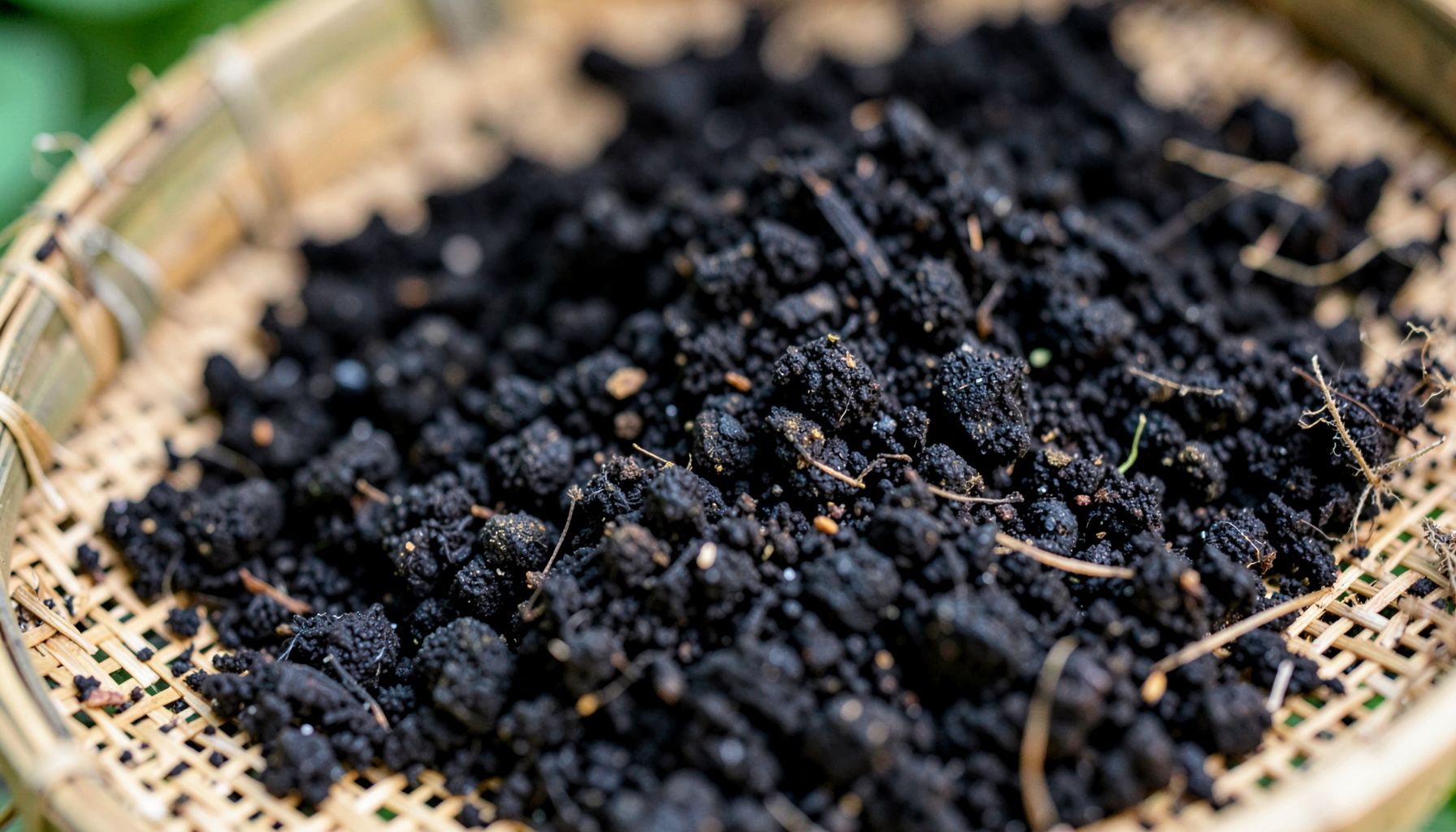
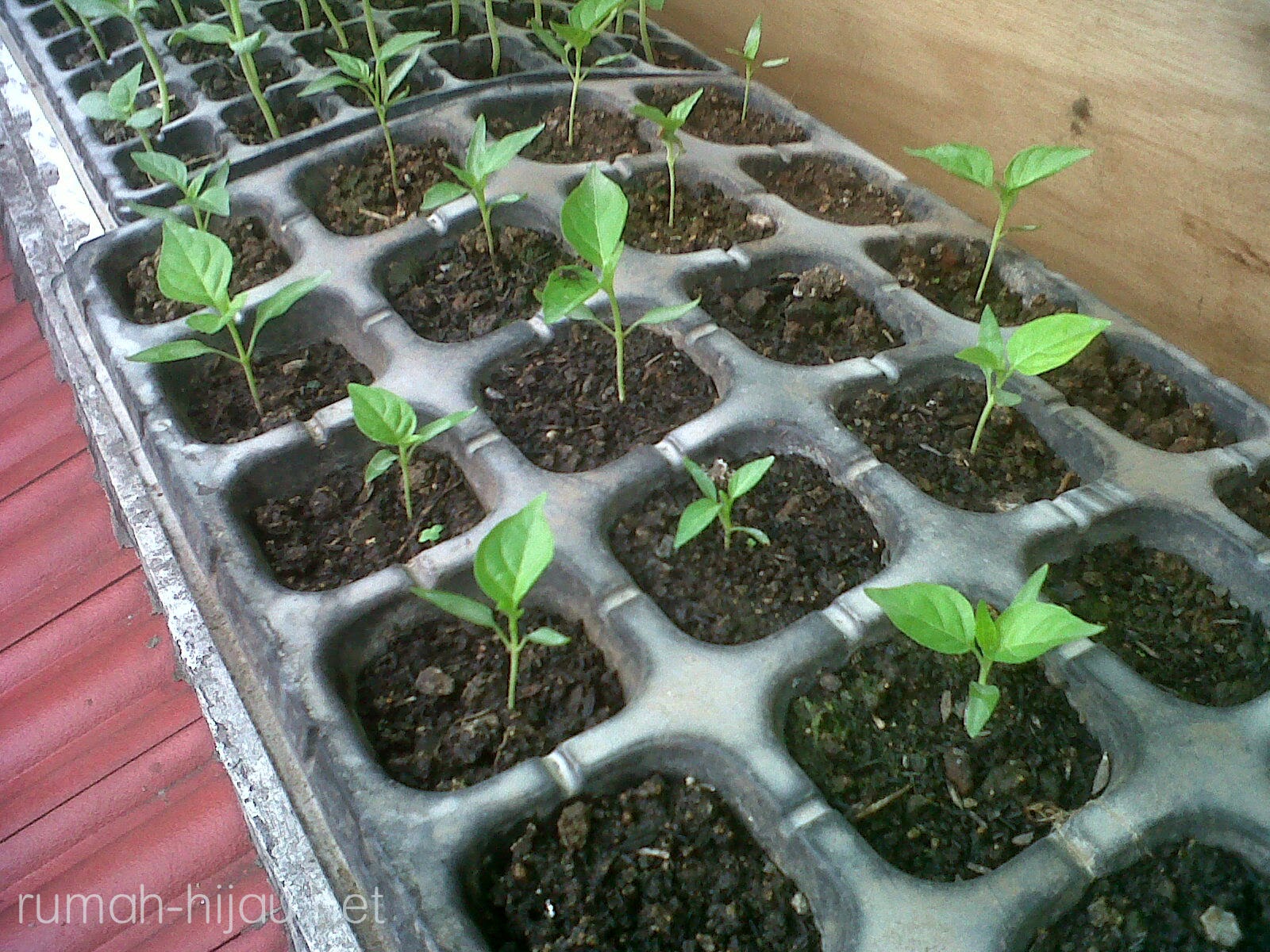
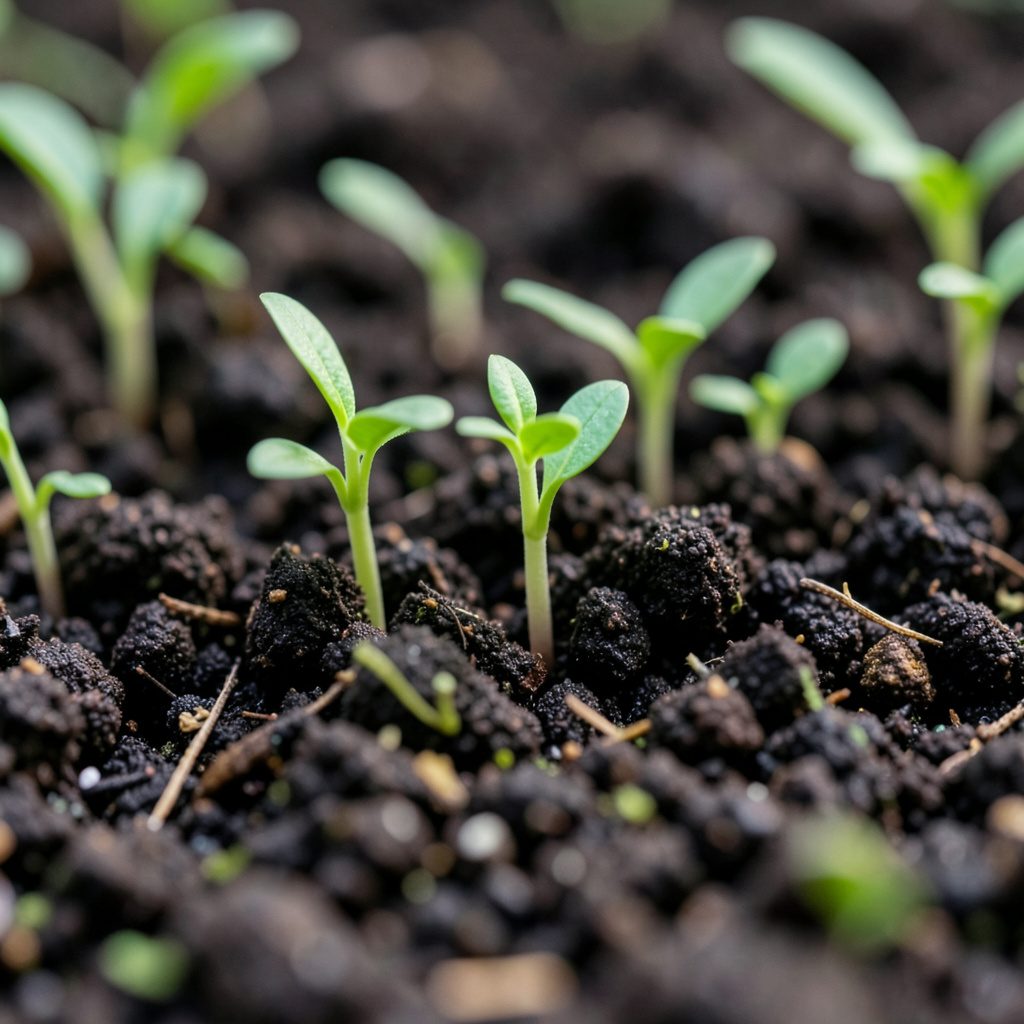
Stewardship initiatives that connect daily habits with a healthier urban environment, from household composting and waste separation to urban farming and hydroponics.
- Household composting and waste separation
- Urban farming and hydroponics activities
- Environmental awareness sessions
Foundation identity
Who runs these programs
The foundation operates under the following legal registration and is associated with the Rumah Hijau journal community.
| Registered name | Yayasan Rumah Hijau Indonesia (RHI) |
|---|---|
| Registration | SK Kemenkumham RI No. AHU-0013707.AH.01.12 Tahun 2019 |
| Office | Nanas Gg. Flamboyan IX No. 21 RT 011/003 Utan Kayu Selatan, Matraman, Jakarta Timur Programs and services within an environmentally focused foundation typically emerge from a shared mission to protect natural ecosystems and support the surrounding community. Rather than offering disconnected activities, the offerings are usually shaped around long-term goals, such as habitat restoration, education, research, and local empowerment. Each initiative is designed to reinforce the others, creating a network of effort that is greater than the sum of its parts. By framing every program as part of a broader conservation strategy, the foundation invites participants, partners, and observers to see how small actions fit into a wider environmental picture. This systems-level thinking helps ensure that resources are used efficiently and that outcomes remain measurable over time. Capacity building is often a quiet but essential pillar of foundation programming. Workshops, mentorship sessions, and skill-sharing events can help local communities, young researchers, and volunteers develop practical expertise in areas such as sustainable land use, waste reduction, and biodiversity monitoring. When knowledge is shared openly rather than held within a single institution, programs tend to multiply in impact. Participants frequently become educators themselves, carrying tools and techniques back to their own neighborhoods and workplaces. Over several seasons, this ripple effect can transform isolated projects into regional movements grounded in local leadership and shared responsibility for the environment. Community engagement forms another vital layer of the foundation's work, connecting ecological goals with everyday human experience. Activities such as neighborhood planting days, riverside cleanups, school visits, and public forums turn conservation from an abstract idea into a shared practice. These gatherings also create space for dialogue between residents, scientists, and local authorities, helping surface concerns that might otherwise go unheard. By treating community members as collaborators rather than audiences, the foundation builds trust and ensures that programs reflect the real priorities of the people who live closest to the landscapes being protected. Research and documentation give foundation programs a backbone of credibility and continuity. Field studies, species inventories, water quality testing, and citizen science contributions all generate data that can guide decisions and attract further investment. Publishing findings through a dedicated journal or open-access platform allows the work to circulate beyond immediate participants, contributing to wider academic and policy conversations. Careful record keeping also enables programs to evolve intelligently, learning from previous seasons rather than repeating mistakes. In this way, research transforms goodwill into evidence, and evidence into more effective action over the long term. Collaboration and partnership extend the foundation's reach far beyond what any single team could achieve alone. Working alongside universities, government agencies, sister nonprofits, and informal community groups allows resources, expertise, and audiences to be shared. Joint campaigns can combine environmental messaging with cultural programming, public health outreach, or local economic development, reaching people who may not initially identify as conservationists. Sustained partnerships also help weather periods of limited funding, as responsibilities and risks are distributed. Through this collaborative ethic, foundation programs remain adaptable, inclusive, and rooted in a shared sense of stewardship for the natural world. |
| Phone | +62-813-8393-3479 (Fauzi) |
| rhi@rumah-hijau.net |